Press Conference Backdrops · Sizing Guide
What Size Backdrop Do You Need for a Press Conference?
The wrong size backdrop is invisible in wide shots, cramped behind a panel, or overwhelms a small room. Here is exactly how to size it right for your stage, your speakers, and your cameras.
Quick answer
What Is the Standard Size for a Press Conference Backdrop?
Standard size
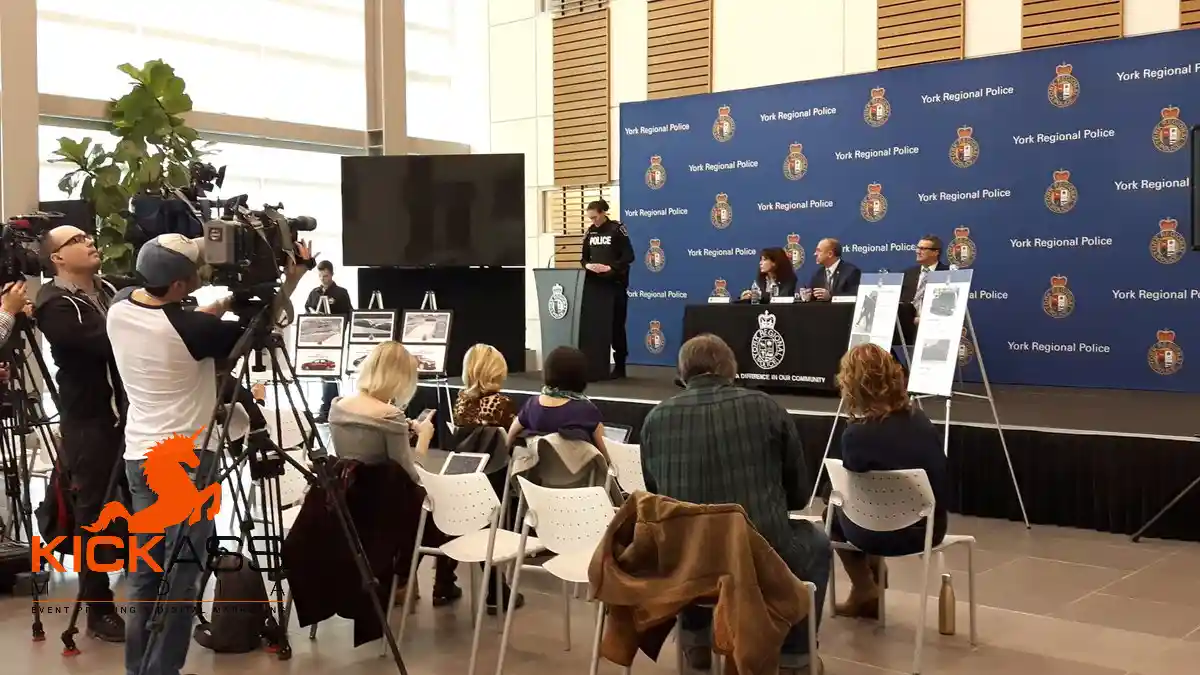
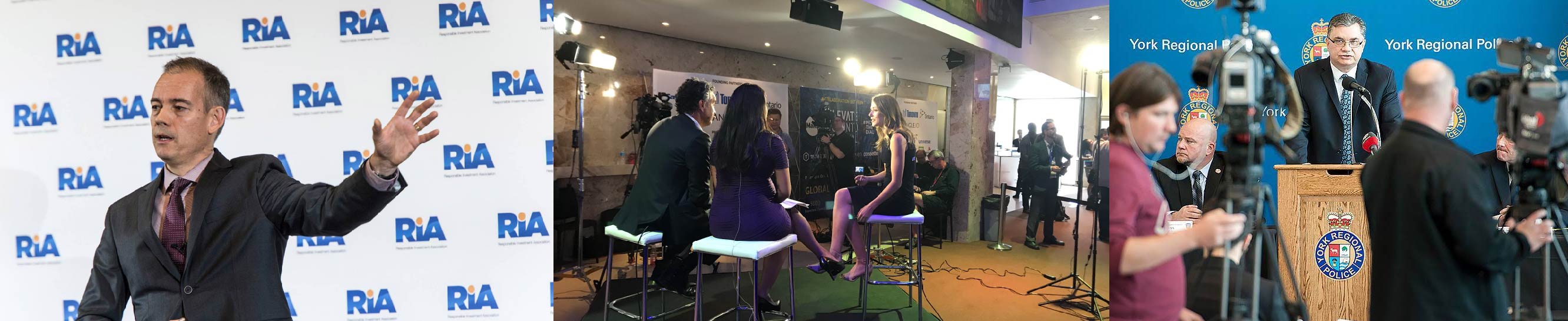
The most common press conference backdrop size is 12 to 15 feet wide by 8 feet tall, which covers the background behind a panel of 2 to 4 speakers and reads clearly in both close-up podium shots and wide room shots. For stage setups with a single podium. 8 to 10 feet wide by 10 feet tall gives strong vertical presence. For large stages, 20 feet wide by 8 or 10 feet tall is standard.
The right size depends on three things: your stage width, where your cameras will be positioned, and whether you have one speaker or a full panel. Each affects how much backdrop needs to be in frame. Here is how to work out the right dimensions for your specific setup.
Vertical sizing
How Tall Should a Press Conference Backdrop Be?
The standard heights are 8 feet and 10 feet. Here is when each is the right choice:
Works well when speakers are seated at a table, when ceiling height is limited, or when you need to stretch the budget wider rather than taller. For seated panels, 8 feet is almost always enough, the backdrop fills the frame behind speakers without wasting height above their heads.
The stronger choice when a speaker is standing at a podium, when broadcast cameras are shooting from a distance, or when the event will have significant video coverage. 10 feet ensures the backdrop fills the full frame behind a standing speaker with room above their head so cameras never see the edge of the backdrop.
For large-scale stages with high ceilings and significant production value. Less common but available when the event requires maximum visual presence, festivals, major announcements, or events where the backdrop is a centrepiece of the stage design rather than just a background.
The rule
If budget is a constraint and you have to choose between going taller or wider. go wider. Width creates more on-camera impact than height. A wider backdrop fills more of the camera frame in both wide shots and close-ups. A taller backdrop mostly adds space above a speaker's head that cameras often crop out anyway.
Horizontal sizing
How Wide Should a Press Conference Backdrop Be?
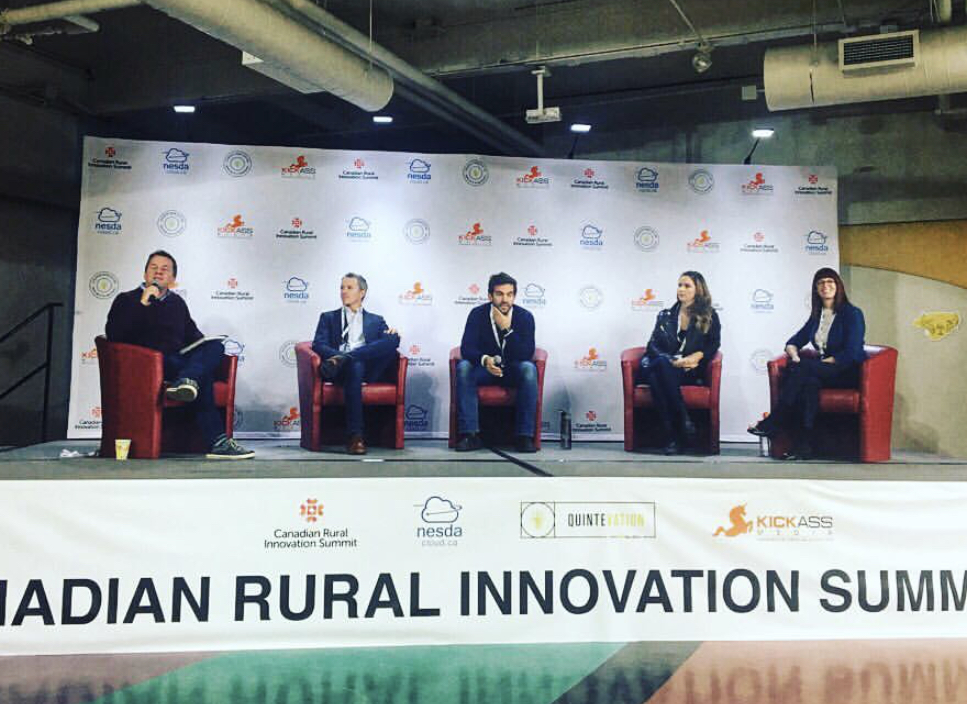
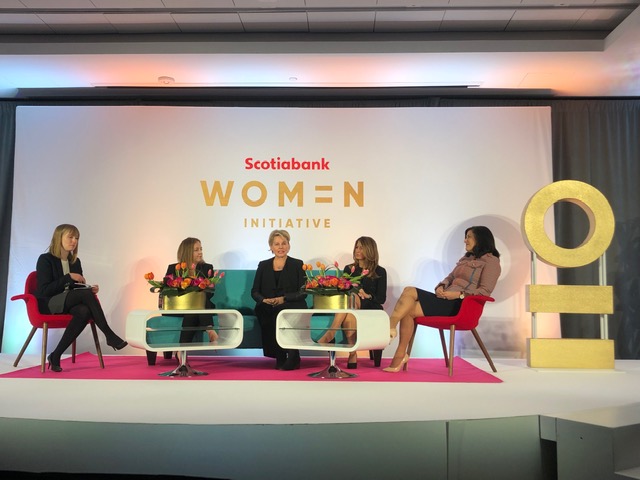
Width is the measurement that most affects how the backdrop reads on camera, in wide room shots, in edited footage, and in press photography. The general rule: fill at least 75% of your stage width with backdrop.
If your stage is 20 feet wide and you set up a 10-foot backdrop, cameras shooting from the back of the room will see 5 feet of empty stage on each side. That looks unfinished and undersized regardless of how good the print is.
| Stage Width | Minimum Backdrop Width | Recommended Width | Best For |
|---|---|---|---|
| Up to 10 ft | 8 ft | 8–10 ft | Single speaker, small room, interview setup |
| 10–15 ft | 10 ft | 12–15 ft | Small panel, standard press conference |
| 15–20 ft | 12 ft | 15–17 ft | Full panel, mid-size stage |
| 20+ ft | 15 ft | 20 ft+ | Large stage, multiple speakers, broadcast events |
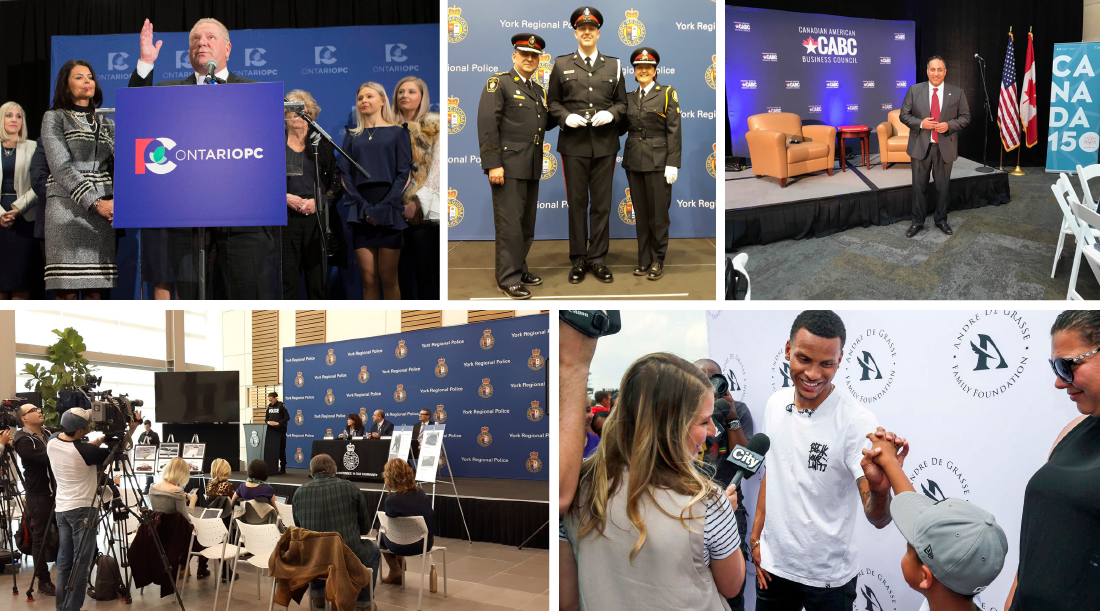
The most common press conference backdrop is 12 or 15 feet wide by 8 feet tall, wide enough to cover the panel and stay in frame from the camera riser, manageable enough to transport and set up without a large crew.
By setup type
What Size to Order for Your Specific Setup
The right size depends on how the event is structured. Here is the recommendation for each common press conference setup.
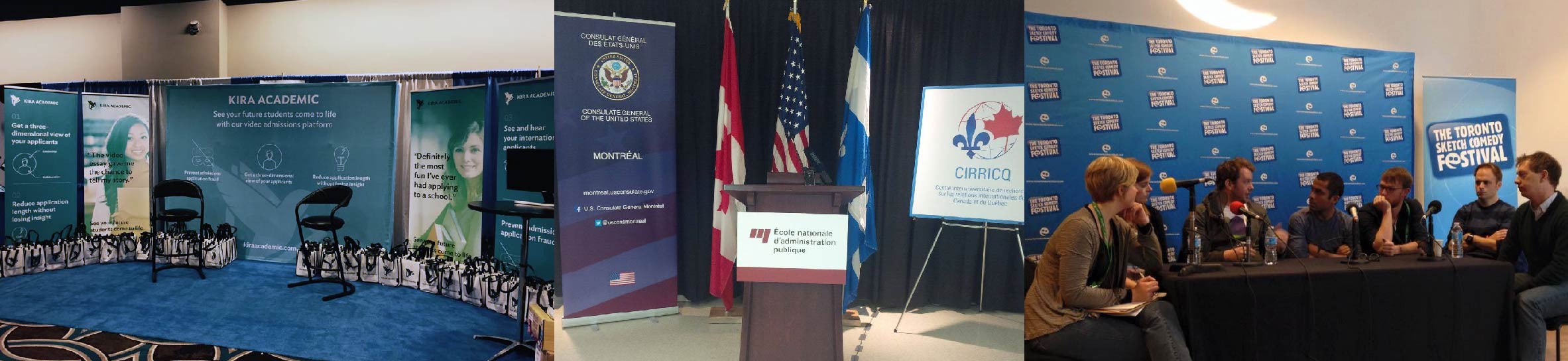
A single speaker at a podium needs enough backdrop to fill the frame behind them in both tight shots and medium shots from the camera riser. 10 feet tall prevents cameras from catching the top edge of the backdrop when shooting from floor level. Width of 8 to 10 feet is sufficient if the podium is centered on the stage, go to 12 feet if the stage is wider and the speaker may move around.
The most common press conference format. 12 to 15 feet covers a standard table of 2 to 4 speakers and stays in frame in wide shots from the back of the room. 8 feet tall works well for seated panels. Go to 10 feet if speakers will stand at any point or if broadcast cameras will be shooting from a significant distance.
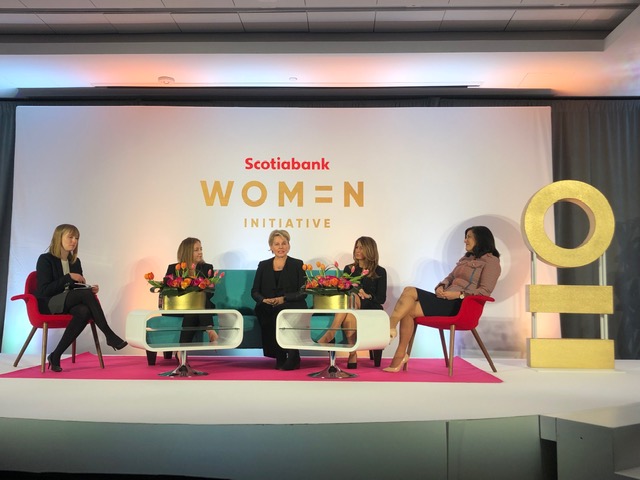
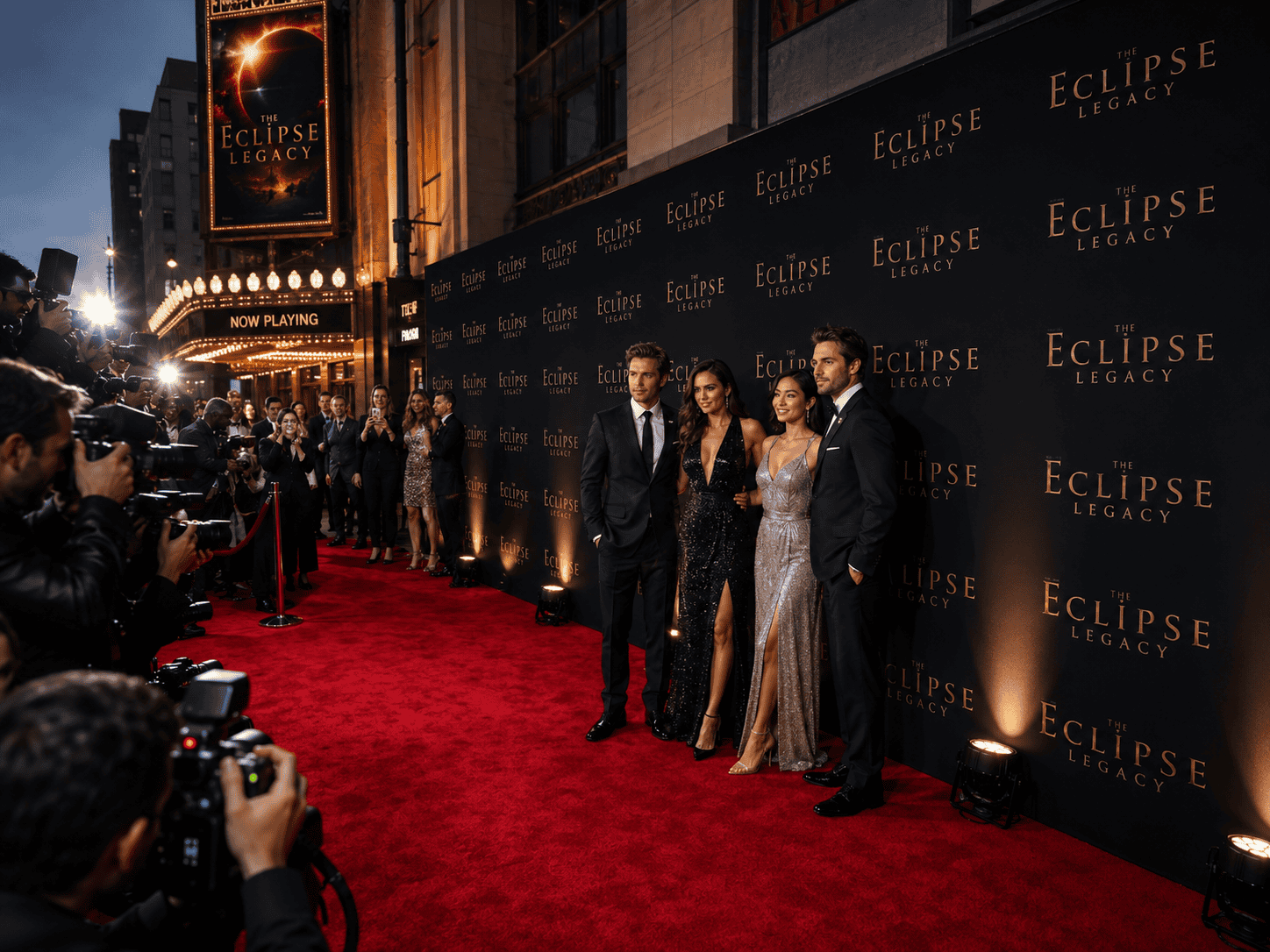
For large stages where the backdrop needs to fill significant visual real estate. Under-sizing on a large stage is the most common mistake, a 10-foot backdrop on a 25-foot stage looks like a flag on a football field. At minimum, cover 75% of the stage width. For broadcast events with multiple camera angles, 20 feet wide by 10 feet tall is the most reliable choice.
If you are running press events across multiple cities or venues with varying stage sizes, a modular frame system lets you configure the same backdrop pieces into different widths. For example, a 20-foot wide backdrop can be broken into two 10-foot sections, use both for a large stage, or use one for a smaller venue. The fabric prints seamlessly across the sections. One investment covers multiple stage configurations.
Before you order
Two Questions to Ask Any Backdrop Supplier
Most press conference backdrops look similar in a supplier's online catalogue. The differences that matter, the ones that show up on event day, are not visible in product photos. Here are the two questions worth asking before you place any order.
Most backdrop suppliers approve artwork on screen and consider their job done. The problem: what you see on a monitor is RGB. What prints is CMYK. Colors shift in that conversion, sometimes slightly, sometimes significantly. For a brand with specific Pantone colors. "looks good on screen" is not a guarantee. If the printed backdrop arrives with colors that are noticeably off from your brand standards, and the supplier did not provide a physical proof, you have no recourse.
What to look for: A supplier who provides a free physical printed swatch before production begins, so you can approve the exact color in your hands, not on a screen. If they do not offer this, your brand's color accuracy is at their discretion.
A backdrop frame is something you will use at multiple events over multiple years. Most suppliers offer warranties of 90 days to one year. Some offer nothing in writing. A frame that fails at your third event is not a savings, it is a liability at a live event with cameras rolling and no time to fix it.
What to look for: A written lifetime warranty that covers replacement parts, not just a vague satisfaction guarantee. Specifically ask: if a frame component breaks two years from now, what happens? The answer tells you everything about how that supplier thinks about the long-term relationship.
How KA Media does it differently
Every KA Media press conference backdrop goes through three verification phases before it ships. The two pitfalls above are specifically what this system is designed to prevent.
Our designer checks your files at actual print dimensions before production begins. Logo pixelation, distortion, and layout issues get caught before they reach your event, not when the backdrop arrives at the venue.
We print a physical swatch to verify your brand tones before production. You approve the color in your hands, not on a screen. If it does not match your approved swatch, we reprint at no cost.
Equipment is calibrated before your job runs. Where needed, a proof is sent for your approval before the full production run begins so nothing goes to print without your sign-off.
Common questions
Frequently Asked Questions
Explore by event type
Step and Repeat Backdrops by Event Type
Every event has different requirements. Find the right backdrop for yours.

"My team helps you be remembered for the right reasons."
Not Sure What Size Is Right for Your Event?
Tell us your stage dimensions and event setup. We will recommend the exact size and frame and send a free swatch before anything goes to print.
Let's Talk About
Your Press Event
Tell us your stage dimensions and setup. We will recommend the right size and send a free swatch.